September 27, 2026South Georgia & the Weddell Sea4 min read
The most famous job ad in exploration probably never ran
“Men wanted for hazardous journey… safe return doubtful.” Nobody has ever found it in print. What Shackleton actually did to choose his crew is a better story — and a harder test.
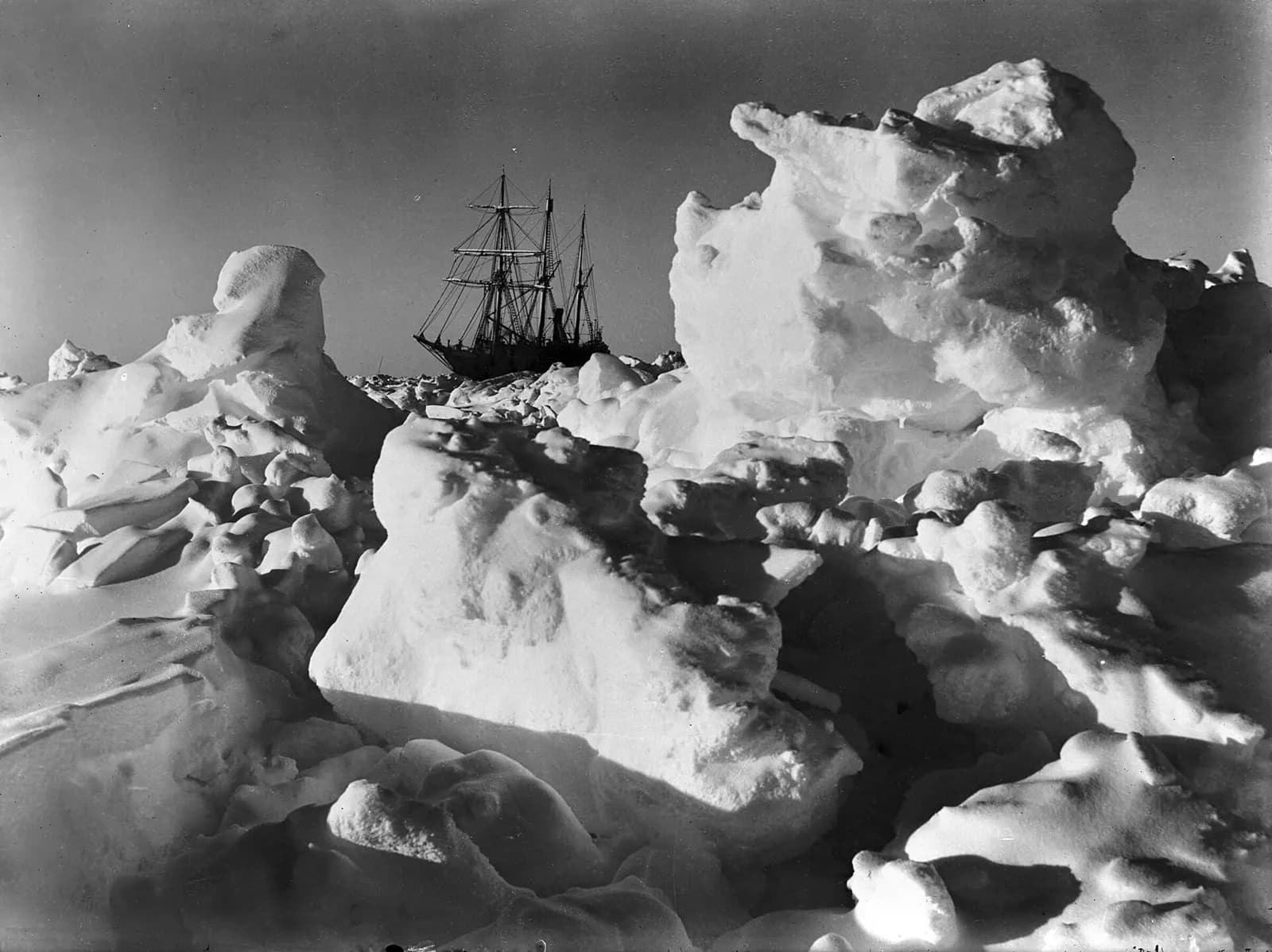
The short version
- No copy of the “Men wanted” advertisement has ever been found in a newspaper. Its first known appearance is a 1944 book.
- What is documented: roughly 5,000 applications for just over 50 places, sorted into three piles — Mad, Hopeless and Possible.
- Shackleton's interviews screened for temperament more than credentials. When the ship was lost, every member of the Endurance party survived.
Few sentences in exploration get quoted as often as this one. It hangs framed in offices, opens keynote talks and closes recruitment decks, and it is always credited to Ernest Shackleton. It has one problem: no one has ever produced the original.
“Men wanted for hazardous journey. Low wages, bitter cold, long hours of complete darkness. Safe return doubtful. Honour and recognition in event of success.”
The ad nobody can find
Its first known appearance is not a London newspaper but a 1944 book, Carl Hopkins Elmore's Quit You Like Men. Five years later Julian Watkins included it in The 100 Greatest Advertisements, again without saying where it came from. The polar-history site The Antarctic Circle has offered a reward to anyone who can find the advert actually printed in a newspaper, and that prize remains unclaimed.
The dates don't help. Watkins placed the ad in London papers in 1900, when Shackleton wasn't recruiting for an expedition of his own; he was preparing to sail under Robert Falcon Scott. When Shackleton did announce his Imperial Trans-Antarctic Expedition, in December 1913, he did it with a letter to The Times.
What really happened: 5,000 letters and three piles
The true story is stranger than the myth. The expedition drew roughly 5,000 applications for just over fifty places. They were sorted into three piles: Mad, Hopeless and Possible. One came from three young women signing themselves “Three Sporty Girls”, who offered to wear men's clothes if skirts proved inconvenient. The office replied, with regret, that there were no vacancies for women.
The Possibles were invited to conversations that barely resembled interviews. The physicist Reginald James later recalled being asked whether he had good teeth, whether he suffered from varicose veins, and whether he could sing. The science never came up. Leonard Hussey was taken on after Shackleton looked him over, said he thought he “looked funny”, and added: “Yes, I like you. I'll take you.”
It reads like eccentricity. It was closer to a method. A CV tells you what someone has done when things went to plan. Shackleton was listening for how they would behave when the plan had failed and there was nothing to do but wait — cheerful, tolerable, and still useful on the ninetieth grey day.
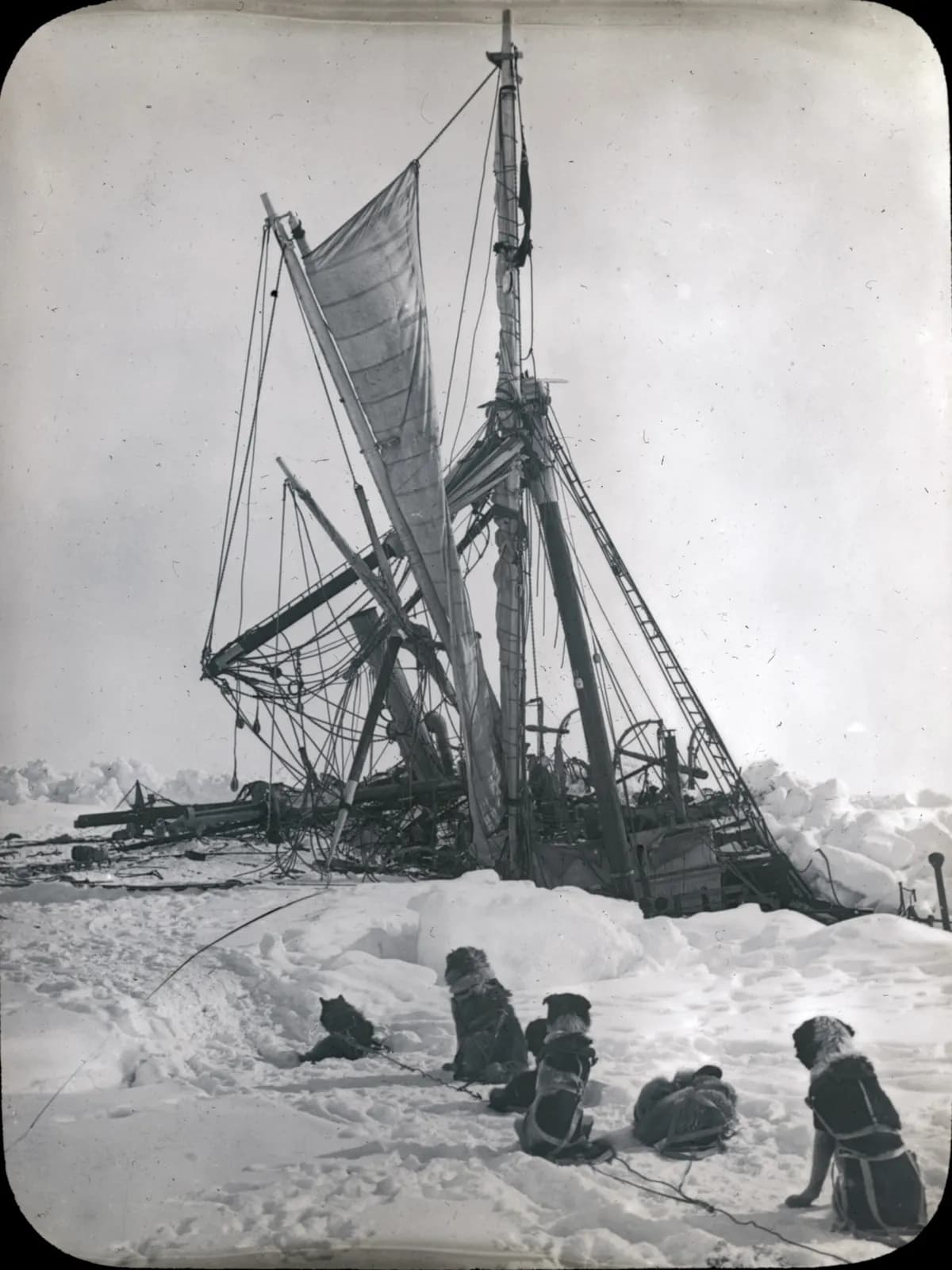
The plan failed. The method didn't.
Endurance was caught in the pack ice of the Weddell Sea early in 1915, slowly crushed, and finally sank that November. The crew camped on the drifting floes for months, then took to the lifeboats and reached Elephant Island. In April 1916 Shackleton and five men sailed the small open boat James Caird about 1,300 kilometres across the Southern Ocean to South Georgia.
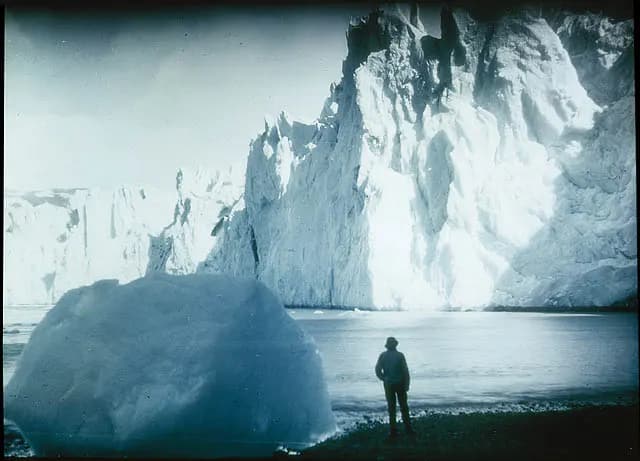
They landed on the wrong side of the island. So on 19 May 1916 Shackleton, Frank Worsley and Tom Crean set out across a glaciated interior that no one had crossed and that the map showed as a blank. They walked for about 36 hours without stopping and reached the whaling station at Stromness. Every member of the Endurance party survived.
In March 2022 the Endurance22 expedition found the wreck at a depth of 3,008 metres in the Weddell Sea. She was upright, remarkably well preserved, and her name still arcs across her stern.
The test we actually use
We don't sort applications into Mad, Hopeless and Possible, and we won't ask you to sing. But Shackleton's intuition survives in how we choose teams. Fitness and experience are necessary, and they are never enough. Our intake conversation spends as much time on how you handle a stalled plan as on what you have climbed. On a route with a long evacuation window, a storm day tests a team harder than a summit day does.
If the myth of the advert still pulls at you, that's fine; it pulled at us too. Just know that the true story asks for something harder than courage. It asks whether you are good company when nothing is going right.
Questions people ask
- Did Shackleton really place the “Men wanted for hazardous journey” advertisement?
- There is no evidence that he did. No printed copy has ever been found, and its first known appearance is a 1944 book that gives no source. Shackleton announced the Endurance expedition with a letter to The Times in December 1913.
- How many people applied to join Shackleton's Endurance expedition?
- Roughly 5,000 people applied for just over fifty places. The applications were sorted into three piles: Mad, Hopeless and Possible.
- When and where was the wreck of Endurance found?
- The Endurance22 expedition found it on 5 March 2022, at a depth of 3,008 metres in the Weddell Sea, upright and well preserved.
Sources
Every factual claim in this dispatch comes from the sources below.
- Safe return doubtful (online exhibition) — Gonville & Caius College Library, University of Cambridge
- Ernest Shackleton's famous job ad, 'Men Wanted for Hazardous Journey,' is probably a myth — Smithsonian Magazine
- How Ernest Shackleton recruited his Antarctic crews — Shackleton (journal)
- Archive letter: 'Three Sporty Girls' — Avaunt Magazine
- James Caird: crossing the Southern Ocean — Shackleton (journal)
- Crossing South Georgia — New Zealand Antarctic Heritage Trust
- On this day — 5 March 2022: Shackleton's Endurance found — Falklands Maritime Heritage Trust
- Endurance (1912 ship) — Wikipedia